Is It Cheaper to Replace Brakes Yourself or Go to a Shop in Jacksonville?
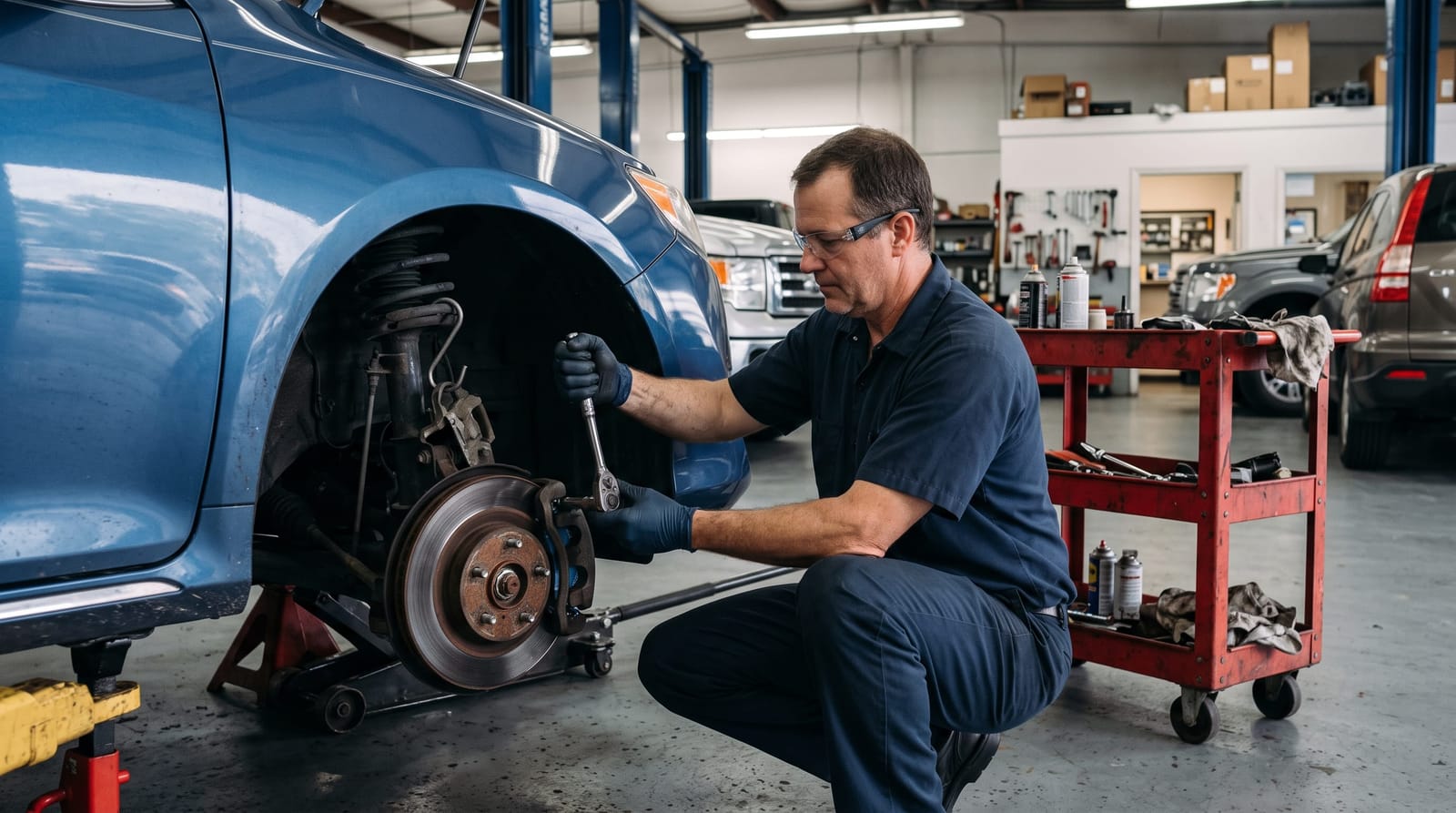
When your brakes start squealing or your pedal feels different than usual, one of the first questions that comes to mind is how much this is going to cost. And for plenty of Jacksonville drivers, a natural follow-up question is: could I just do this myself and save some money? It's a fair thing to wonder. Brake pad replacement is one of the more approachable DIY automotive jobs out there, but "approachable" doesn't always mean "simple." This guide breaks down both options honestly so you can decide what makes sense for your situation.
What DIY Brake Replacement Actually Involves
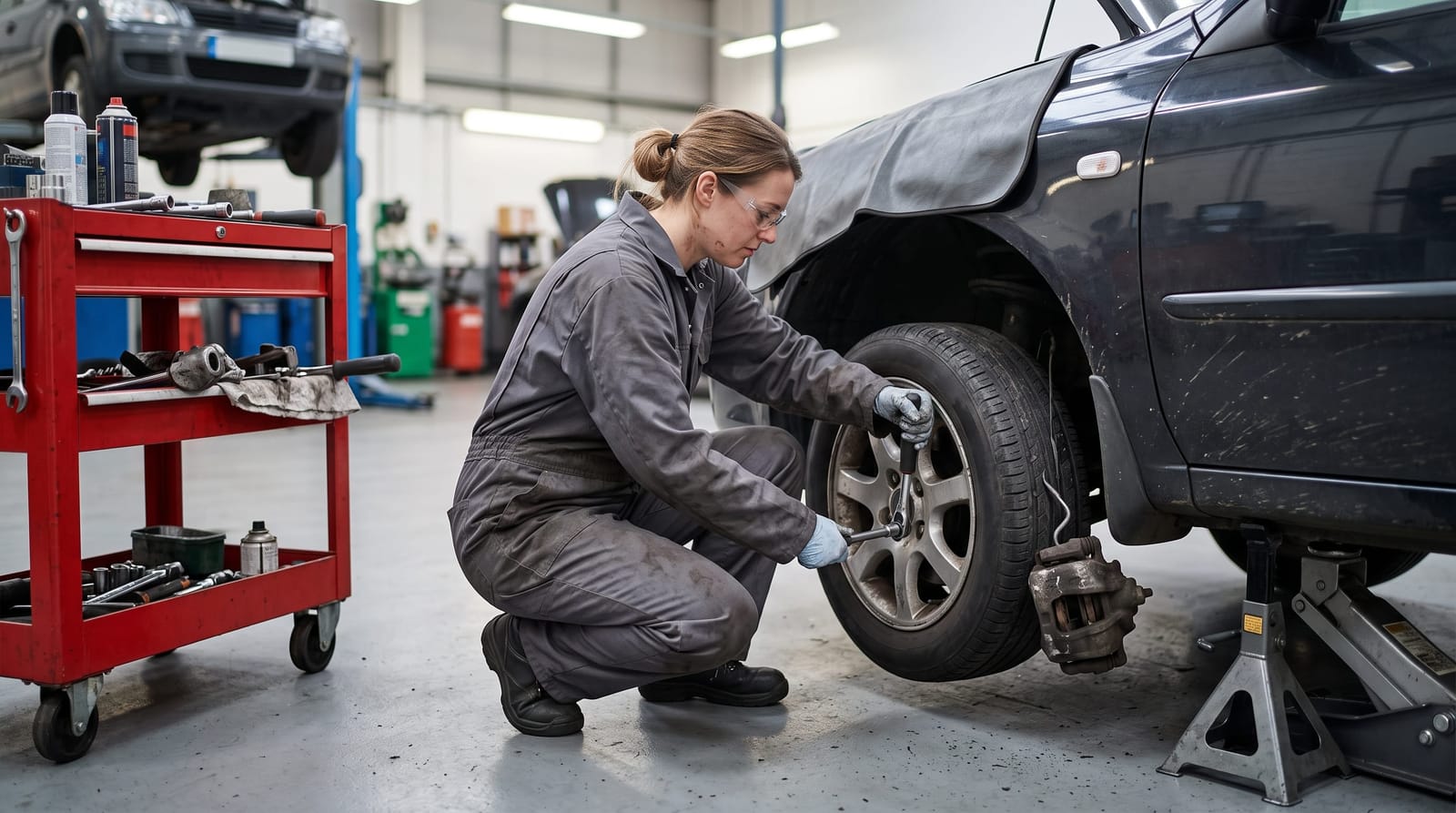
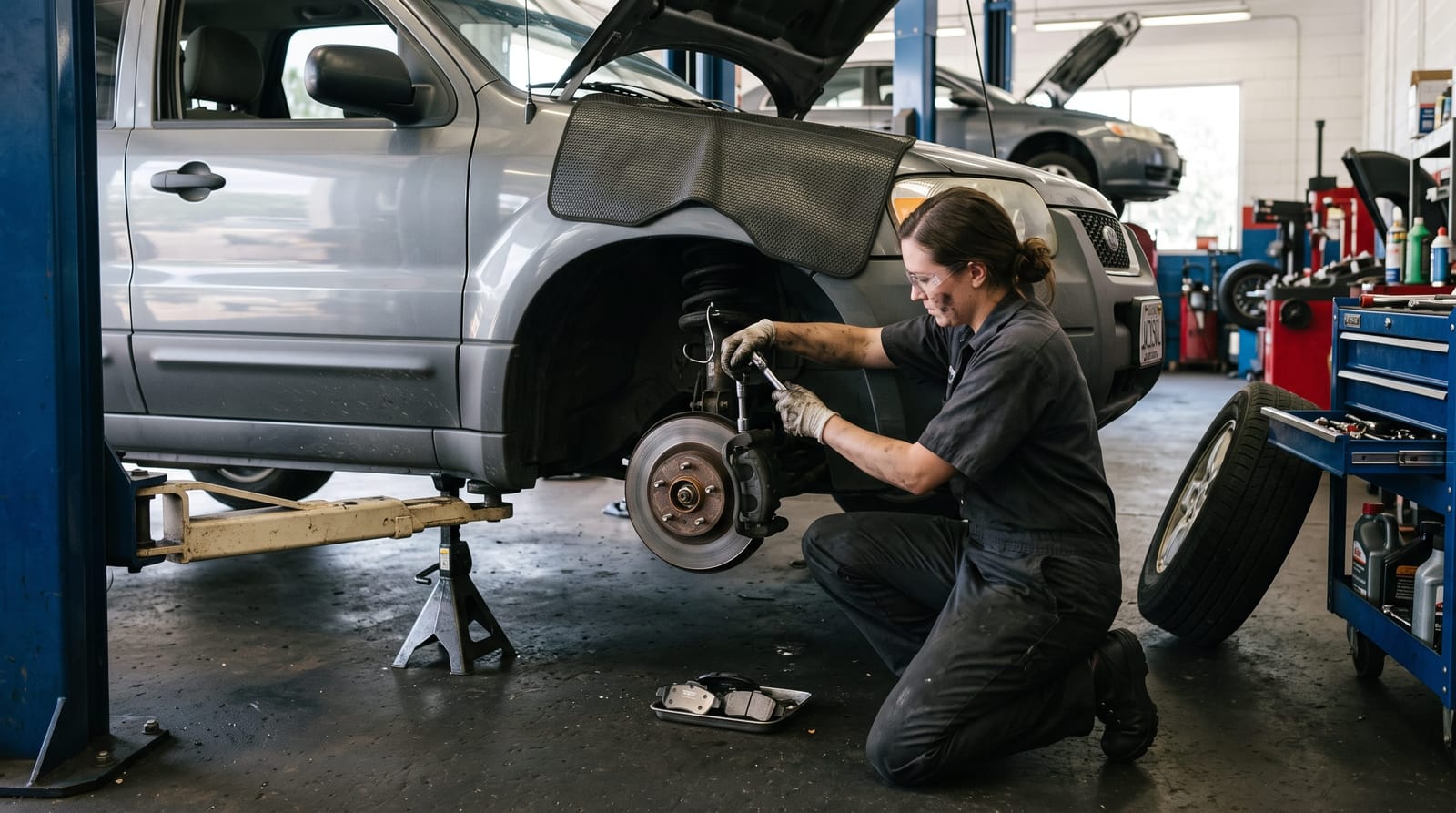
Replacing brake pads yourself isn't impossible. For someone who is comfortable working on vehicles, has the right tools, and understands what they're looking at, it can be a reasonable weekend project. But it helps to go in with clear expectations about what the job requires.
At a minimum, a DIY brake job typically calls for:
- A floor jack and jack stands rated for your vehicle's weight
- A lug wrench and torque wrench
- A C-clamp or brake piston tool to compress the caliper
- Brake cleaner spray and caliper grease
- Basic hand tools (sockets, ratchets, pliers)
- A reliable service manual or repair database for your specific vehicle
If you don't already own these tools, buying or renting them adds to your upfront cost. Beyond equipment, you'll need to source your own parts. Not all brake pads are created equal: the quality range is wide, and choosing the wrong compound for your driving style or vehicle type can affect both performance and how long the pads last.
One thing DIY doesn't include: an inspection of the rotors, calipers, brake lines, or hardware. A shop looks at the whole system. If you only swap pads and a caliper was sticking or a rotor was worn past its minimum thickness, you've done some of the work without solving the actual problem.
What Professional Brake Service Looks Like in Jacksonville
At an independent shop in Jacksonville, a standard brake pad replacement generally runs somewhere in the range of $150 to $350 per axle, depending on the vehicle and the parts used. That range exists because not all vehicles, or all brake jobs, are the same. A compact sedan and a full-size truck have very different brake systems.
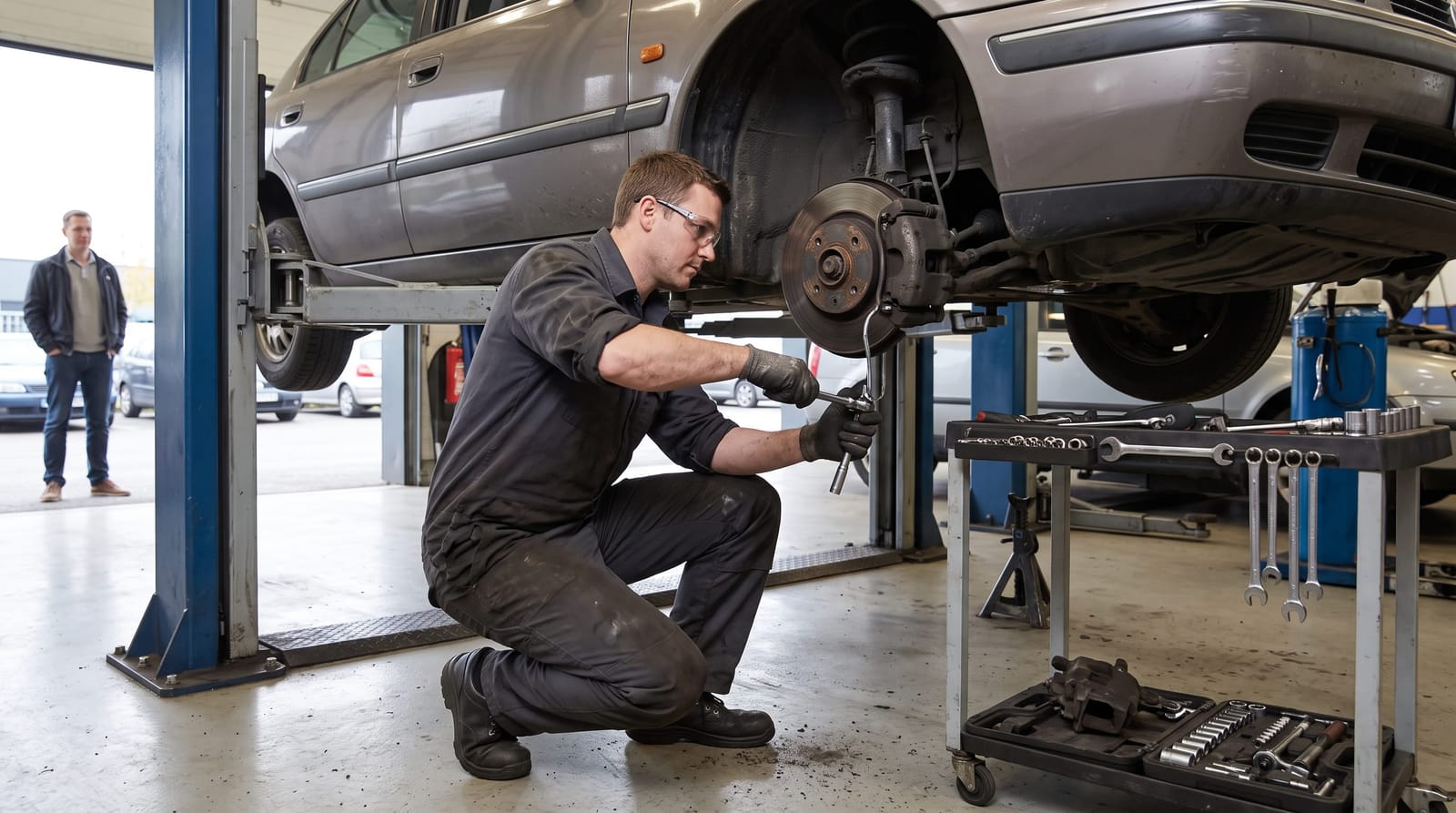
What you're paying for at a shop goes beyond just the pads themselves. A qualified technician will:
- Inspect rotors for wear, scoring, and thickness
- Check caliper function and slides for corrosion or binding
- Evaluate brake hardware and replace it if needed
- Torque wheels to manufacturer specification
- Road test the vehicle after the job is complete
That inspection piece matters more than most people realize. A sticking brake caliper, for example, can cause uneven pad wear, reduce fuel efficiency, and put extra stress on other brake components. Catching that during a pad replacement, rather than after the new pads wear out prematurely, saves money and hassle down the road.
Most reputable shops also stand behind their work with some form of parts and labor warranty. The specifics vary by shop, so it's worth asking before you commit to any service.
Where DIY Saves Money: and Where It Doesn't
Let's be straightforward: if you have the tools, the skills, and a straightforward brake job on a vehicle you know well, DIY can absolutely save you money on labor. Labor is typically the largest portion of a brake service bill, so removing that cost makes a real difference.
However, the math shifts quickly in a few situations:
When the job is more complex than expected. Rear drum brakes, electronic parking brake systems, and integrated brake/rotor assemblies all add complexity. Some modern vehicles require a scan tool to retract the rear caliper pistons: something a basic DIY toolkit won't cover.
When mistakes happen. Brake jobs done incorrectly, improperly torqued lug nuts, rotors installed backward, air introduced into the brake lines: can require a second repair to fix. At that point, you've spent money on parts and still need to pay a shop to correct the issue.
When parts quality is inconsistent. Shops that source quality parts have tested supplier relationships. A DIYer shopping online or at a parts store has more variability to navigate. Choosing a lower-quality pad to save a few dollars upfront can mean replacing them again sooner than expected.
When warranty matters. A professional brake service at a reputable shop typically comes with a warranty on both parts and labor. DIY work has no warranty, if something goes wrong, all of the cost to fix it falls on you.
Honest Side-by-Side Comparison
Here's a straightforward look at how the two options compare across the factors that matter most to most drivers:
- Upfront cost: DIY is generally lower if you already own tools. Shop service includes labor but also a full inspection.
- Tool requirement: DIY requires a meaningful set of tools. Shop service requires nothing from you.
- Parts quality control: Variable with DIY. More consistent at a shop with established suppliers.
- Inspection coverage: DIY covers only what you look at. Shop service includes the full brake system.
- Warranty: None with DIY. Most shops offer parts and labor warranty: ask about specifics.
- Risk of errors: Higher with DIY, especially on unfamiliar vehicles or more complex systems.
- Time investment: DIY can take several hours, especially the first time. A shop typically completes the job in one to two hours.
How to Decide What's Right for You
The honest answer is that DIY brake replacement makes the most sense for drivers who already have the tools, have done the job before, and are dealing with a straightforward vehicle and a simple pad swap. If that describes your situation, the labor savings are real and the risk is manageable.
For most everyday drivers, especially those dealing with an unfamiliar noise, a vehicle they haven't worked on before, or any uncertainty about the condition of the rotors or calipers: a professional inspection and brake service is usually the better call. The added cost covers not just the labor, but the peace of mind that comes from knowing the full system has been checked and the work is backed by a warranty.
If you're on the fence, a brake inspection is a low-cost way to get clarity before committing to anything. Many shops in Jacksonville will inspect your brakes and tell you exactly what needs attention, so you can make an informed decision about how to proceed.
Frequently Asked Questions
Can I replace just the brake pads without replacing the rotors?
Sometimes, yes. If your rotors are within the manufacturer's minimum thickness spec and don't show significant scoring or warping, you may be able to get away with just replacing the pads. A shop can measure rotor thickness and give you a straightforward answer. Replacing pads on rotors that are worn past their limit, however, typically leads to poor braking performance and premature pad wear.
How long does a professional brake job take at a Jacksonville shop?
A standard brake pad replacement at an independent shop typically takes one to two hours per axle. If rotors, calipers, or additional hardware need attention, that timeline can extend. It's a good idea to call ahead and ask about scheduling so you can plan accordingly.
Is there a warranty on professional brake work?
Most reputable shops offer some form of warranty on brake parts and labor, though the terms vary. Before authorizing any brake service, ask specifically about what's covered and for how long. A shop that stands behind its work should be able to answer that question clearly and without hesitation.
What's the risk of doing a brake job incorrectly?
The most common DIY brake mistakes include improperly torqued wheel fasteners, incorrect rotor installation, skipped hardware replacement, and failure to properly seat the pads before driving. These errors can affect braking feel and performance. If you're unsure at any point during a DIY job, stopping and consulting a professional is always a reasonable option.
The Bottom Line
DIY brake replacement can save money in the right circumstances, but it's not the right choice for every driver or every vehicle. The cost comparison looks different once you factor in tools, parts quality, the risk of missing something, and the absence of any warranty coverage. For Jacksonville drivers who want a clear picture of what their brakes actually need, without guesswork, having a professional inspection done first is a smart starting point. From there, you'll have the information you need to make a confident decision. To get a straightforward assessment of your brakes, contact Jordan Auto today and schedule a brake inspection.