Why Is My Brake Pedal Soft or Spongy? Causes and Fixes
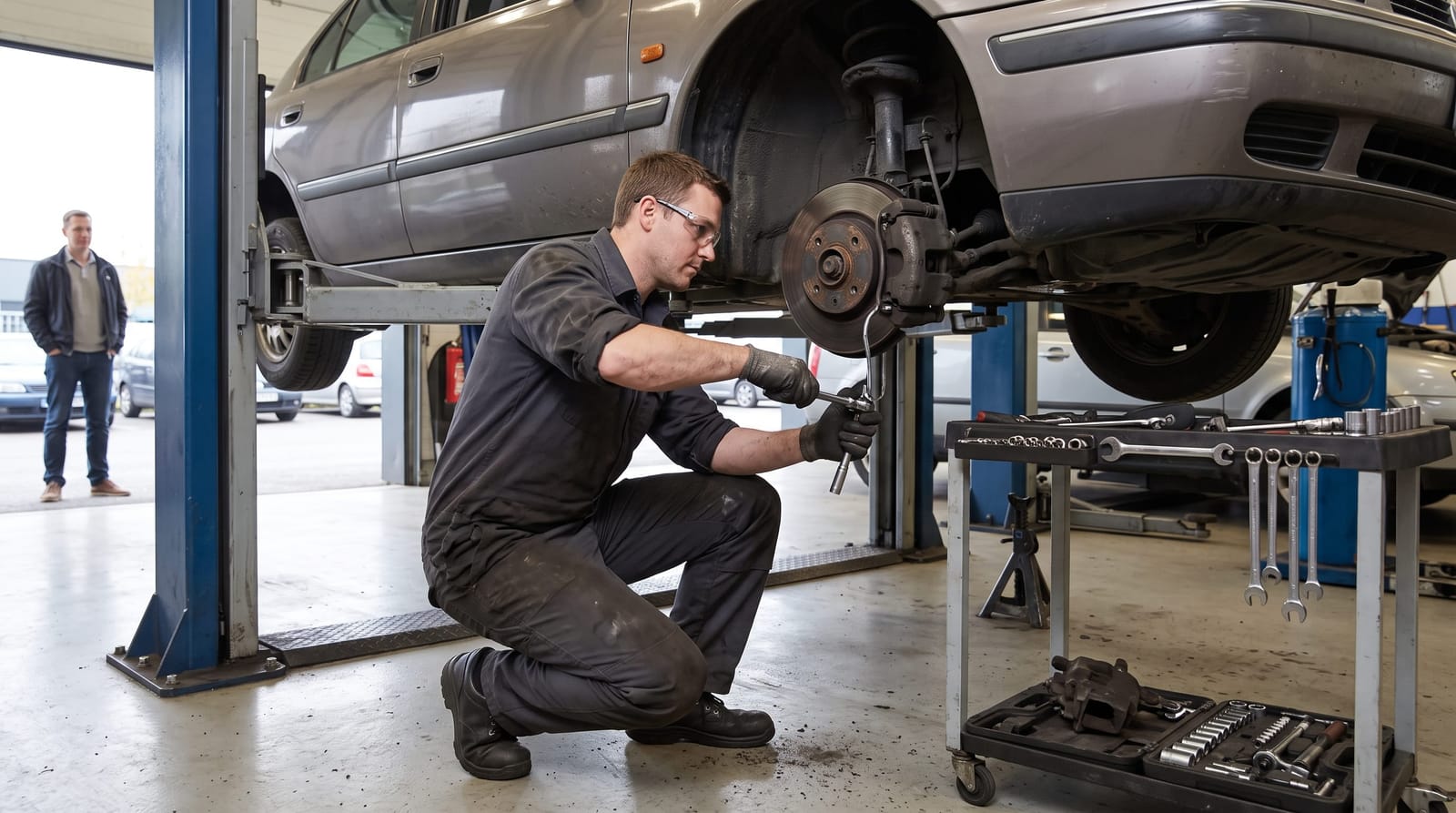
Pressing your brake pedal and feeling it sink toward the floor, or noticing it feels mushy instead of firm, is one of the most unsettling experiences behind the wheel. A soft or spongy brake pedal is never normal, and it is never a problem you can put off. Understanding the soft spongy brake pedal causes behind this symptom can help you communicate clearly with a mechanic and recognize just how urgent the situation really is. This post breaks down the most common culprits, what they mean for your safety, and what to expect during a repair.
What Does a Spongy Brake Pedal Actually Feel Like?
Before diving into causes, it helps to define the symptom precisely. A healthy brake pedal should feel firm and consistent from the moment you apply pressure. You should feel resistance quickly, and the pedal should not travel more than about 1 to 1.5 inches before the brakes begin to engage effectively.
A soft or spongy pedal, by contrast, feels like pressing into a foam cushion. It may travel 2 to 3 inches or more before resistance builds. In more severe cases, the pedal sinks all the way to the floor with little to no braking response. Some drivers describe it as "grabbing air": there is movement but no real stopping power behind it.
This distinction matters because soft spongy brake pedal causes vary widely in severity. Some involve trapped air in the hydraulic system; others point to an active fluid leak or a mechanical component that has failed. All of them compromise your ability to stop safely and deserve immediate professional attention.
The Most Common Soft Spongy Brake Pedal Causes
1. Air in the Brake Lines
Air in the brake lines is the single most common cause of a soft or spongy brake pedal, accounting for the majority of cases mechanics diagnose. Your braking system is hydraulic, meaning it relies on incompressible brake fluid to transfer the force of your foot press through steel or rubber lines to the brake calipers. When air, which is compressible, enters those lines, the system loses efficiency. Instead of your pedal force moving fluid and engaging the brakes, it partially compresses the air bubble, creating that characteristic spongy feeling.
Air typically enters the system after brake work (if the system was not bled properly), when a brake line develops a small leak, or when brake fluid levels drop low enough to introduce air into the reservoir. The fix is a brake bleed, a process of flushing the air out of the lines, which a qualified mechanic can usually complete in under an hour.
2. Brake Fluid Leak
A brake fluid leak is a more serious and potentially dangerous version of the same hydraulic problem. Brake fluid can leak from several points: a cracked brake line, a loose fitting, a deteriorated rubber hose, or a seal that has failed inside a caliper or wheel cylinder. According to automotive safety data, brake fluid leaks are one of the leading causes of total brake failure in vehicles with deferred maintenance.
Signs of a brake fluid leak include a puddle of thin, slightly oily fluid under the vehicle (often near a wheel), a dashboard warning light for low brake fluid, and a master cylinder reservoir that consistently runs low. If you notice your brake pedal getting progressively softer over days or weeks rather than all at once, a slow leak is a likely explanation. This is a situation where driving the vehicle, even short distances, carries real risk.
3. Failing Master Cylinder
The master cylinder is the heart of your hydraulic brake system. It converts the mechanical pressure from your foot into hydraulic pressure that travels through the brake lines. Inside the master cylinder are rubber seals and pistons that can wear out over time. When those internal seals fail, brake fluid bypasses the pistons rather than being pushed through the lines, causing the pedal to feel soft or to slowly sink toward the floor even while you hold steady pressure.
A failing master cylinder is more common in vehicles with over 100,000 miles, particularly if the brake fluid has not been changed on schedule (most manufacturers recommend every 2 years or 30,000 miles). The fix requires replacement of the master cylinder: an internal repair to the unit is generally not recommended because new seals rarely hold as reliably as a new unit.
4. Failing Brake Calipers or Wheel Cylinders
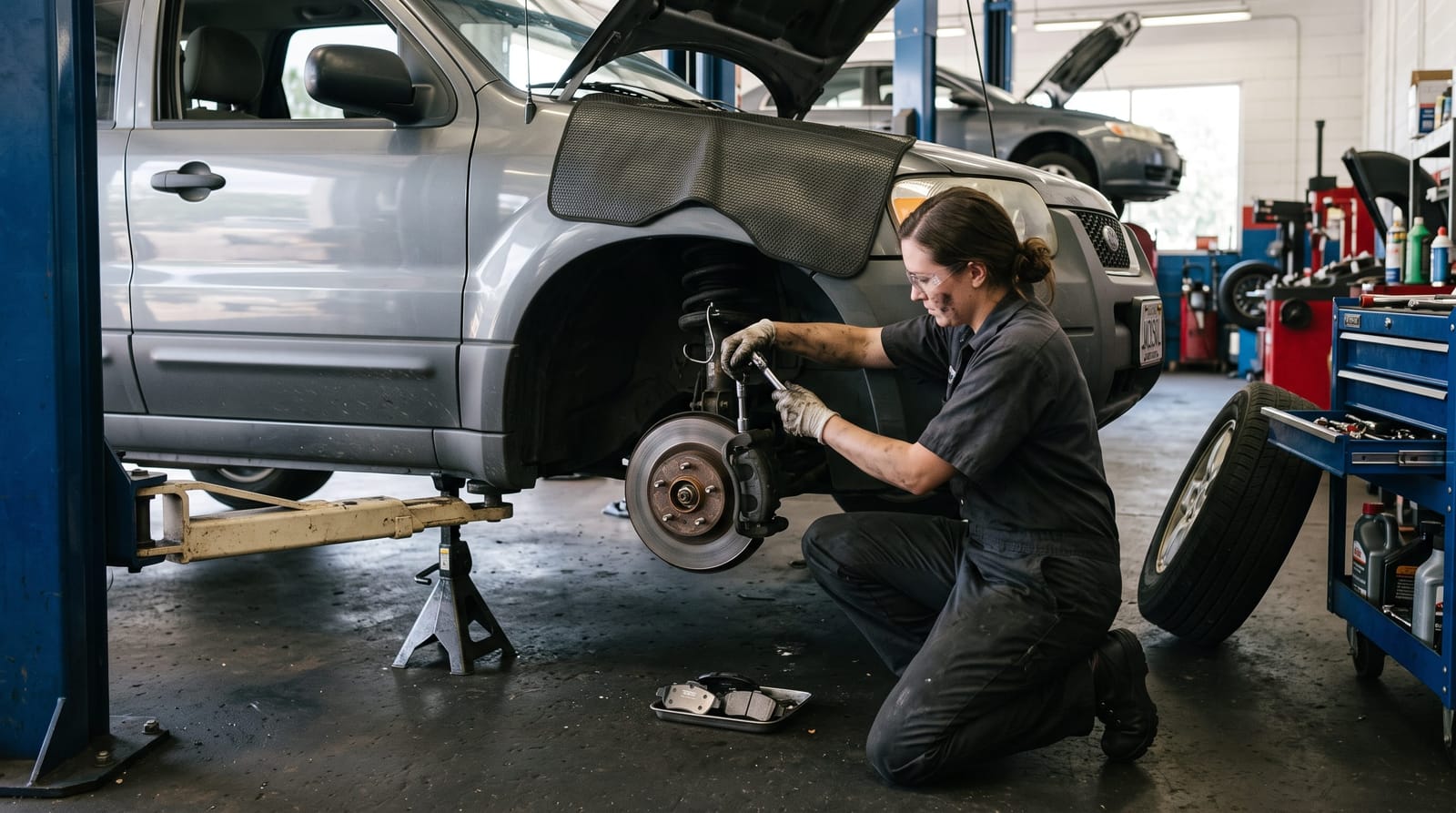
Brake calipers (used in disc brake systems) and wheel cylinders (used in drum brake systems) are the components that physically press the brake pads or shoes against the rotor or drum. Both contain internal seals that can crack or deteriorate, allowing brake fluid to leak out. When a caliper or wheel cylinder bleeds fluid, you lose hydraulic pressure at that wheel specifically, which can create both a soft pedal and uneven braking: the vehicle may pull to one side when stopping.
Sticking or seized calipers can also contribute to soft pedal symptoms, though they more commonly cause a burning smell or uneven pad wear. If you are also noticing that your brakes are squealing but pads look fine, a caliper issue could be involved in both symptoms simultaneously.
5. Overheated or Contaminated Brake Fluid
Brake fluid is hygroscopic, meaning it absorbs moisture from the air over time. As the water content in brake fluid increases, so does the fluid's susceptibility to boiling under heat. When brake fluid boils, typically after prolonged hard braking such as descending a long hill, it turns to vapor inside the lines. Vapor, like air, is compressible. The result is a soft, unresponsive pedal that may firm up again once the system cools.
Fresh DOT 3 brake fluid has a dry boiling point of around 401°F. Heavily contaminated fluid can have a wet boiling point as low as 284°F: a significant drop that increases the risk of vapor lock. This is why brake fluid replacement on a regular maintenance schedule is not optional: it is a direct safety measure.
Is a Soft Brake Pedal a Safety Emergency?
Yes, without qualification. Unlike a worn brake pad, which gives you a warning period measured in weeks, a soft or spongy brake pedal can deteriorate rapidly. A small fluid leak can become a large one. An air bubble can grow. A weakened master cylinder seal can fail completely. Any of these progressions could reduce or eliminate your ability to stop the vehicle.
If you experience a soft brake pedal, the appropriate response is to have the vehicle inspected before driving it further when at all possible. If you must drive, allow significantly more stopping distance, avoid highway speeds, and get to a shop the same day. This is not a "schedule it for next week" situation. Consider consulting a licensed automotive professional for your specific situation: the information in this post is educational and meant to inform, not to substitute for a hands-on inspection.
It is also worth noting that even drivers who feel comfortable with basic maintenance should not self-diagnose brake system issues beyond identifying the symptom. A seemingly simple air bleed can mask a more serious leak, and getting the repair wrong could make the situation more dangerous. This applies even if you are familiar with how long you can drive with worn brake pads: a soft pedal is a more immediate concern than worn pads in most cases.
What to Expect During a Soft Brake Pedal Inspection
When you bring your vehicle in for a soft spongy brake pedal inspection, a mechanic will typically follow a diagnostic process that includes:
- Visually inspecting all brake lines, hoses, calipers, and wheel cylinders for external leaks or damage
- Checking the master cylinder reservoir for proper fluid level and fluid condition
- Testing brake pedal travel and firmness with the engine running versus off
- Bleeding the brake lines to check for air and evaluate fluid quality
- Inspecting calipers for sticking, leaking, or uneven wear patterns on pads and rotors
Depending on the findings, repairs may range from a straightforward brake bleed (typically a lower-cost service) to brake line replacement, caliper replacement, or master cylinder replacement. Repair scope and cost vary based on the vehicle, the severity of the issue, and which components are involved: a shop should provide a clear written estimate before any work begins.
Frequently Asked Questions
Can a soft brake pedal fix itself?
No. A soft or spongy brake pedal will not resolve on its own. The underlying cause, air in the lines, a leak, or a mechanical failure, requires hands-on diagnosis and repair. Waiting typically allows the problem to worsen and increases safety risk significantly.
How do I know if it is air in my brake lines or a bigger problem?
Air in the brake lines usually produces a consistent spongy feel that does not worsen rapidly. A leak, master cylinder failure, or caliper issue may cause the pedal to sink further over time or feel different each time you stop. A professional brake inspection is the only reliable way to confirm the cause.
How much does it cost to fix a soft brake pedal?
Repair costs vary widely depending on the cause and the vehicle. A brake bleed is generally one of the less expensive brake services. Caliper or master cylinder replacement costs more due to parts and labor. Get a written estimate from a reputable shop: be cautious of any shop that diagnoses the problem without a thorough inspection first.
Is it safe to pump the brakes if the pedal feels soft?
Pumping the brakes may temporarily build pedal pressure in some situations, but it is not a fix and should not be relied on as a stopping strategy. If your pedal requires pumping to feel firm, the vehicle needs immediate professional inspection.
The Bottom Line
A soft or spongy brake pedal is one of the clearest warning signs your vehicle can give you, and it demands a fast response. The most common soft spongy brake pedal causes include air in the brake lines, brake fluid leaks, a failing master cylinder, deteriorated calipers, and overheated or contaminated fluid. Each of these is a genuine safety concern that goes beyond routine maintenance. If you are in Jacksonville and your brake pedal does not feel right, do not wait. Bring your vehicle in for a full brake inspection so a qualified technician can identify the exact cause and get you back on the road with confidence.