Do Tires Expire? How Florida Heat Affects Tire Lifespan
A tire can have plenty of tread left and still need replacement because of age or deterioration. Tires do not have one universal expiration date, and the DOT date code shows when a tire was made, not when it expires.
Florida heat makes tire age especially important. Heat speeds up the aging of rubber, while sunlight contributes to surface weathering. For Jacksonville drivers, the useful approach is to check the manufacturing date, look for changes in condition, and compare the tire’s age with the vehicle and tire manufacturers’ guidance.
Why Florida Heat Matters, Even When Tread Looks Good
Tire wear and tire aging are different. Wear is the gradual loss of tread through driving. Aging involves changes in the rubber and other materials over time, including deterioration that may not be visible from the outside.
Heat accelerates the chemical reactions involved in rubber aging. Exposure to oxygen, ozone, and ultraviolet light also contributes to deterioration. Florida’s warm conditions and strong sunlight can therefore accelerate aging compared with cooler, sheltered conditions.
That does not create a fixed Florida tire lifespan. Outdoor parking, driving habits, inflation pressure, storage conditions, and tire construction all affect the picture. A car driven only occasionally may retain deep tread while its tires continue to age.
The cracking commonly called “dry rot” is deterioration, not simply rubber that needs moisture. Washing or applying a dressing cannot reverse it.
How to Read the DOT Tire Date Code
The date code is part of the tire identification number molded into the sidewall. On tires manufactured since 2000, its final four digits identify the production week and year.
- Park somewhere level and safely away from traffic. Look at the tire’s sidewall for the letters “DOT” followed by letters and numbers.
- Find the final four-digit group. The complete identification number, including the date, may appear on only one sidewall. If it faces inward, a shop can read it during an inspection without you crawling underneath the vehicle.
- Read the first two digits as the week. For example, “23” means the 23rd week of the year.
- Read the last two digits as the year. A code ending in “2322” means the tire was manufactured during the 23rd week of 2022.
- Check each tire separately. Replacement tires and the spare may have different manufacturing dates.
The code does not show when the tire was installed or how it was stored. A purchase receipt helps establish service history, but installation does not restart the tire’s age.
When Does Tire Age Mean It Is Time for Replacement?
The National Highway Traffic Safety Administration notes that some vehicle and tire manufacturers recommend replacing tires at six to ten years, regardless of treadwear. That range describes different manufacturers’ recommendations, not a universal safe-use period.
The relevant guidance is the guidance for your particular vehicle and tires. The owner’s manual and tire manufacturer’s care information provide the age limits and inspection recommendations that apply.
Three factors belong in the decision:
- Calendar age: Compare the DOT date with the applicable manufacturer guidance.
- Condition: Cracking, damage, pressure loss, and other changes may warrant replacement before an age limit.
- Tread wear: A tire can wear out before age becomes the deciding factor.
For example, deep tread on a lightly used car does not override the manufacturer’s age guidance. Likewise, a recently manufactured tire is not automatically safe if it has significant damage.
What Cracking and Other Warning Signs Mean
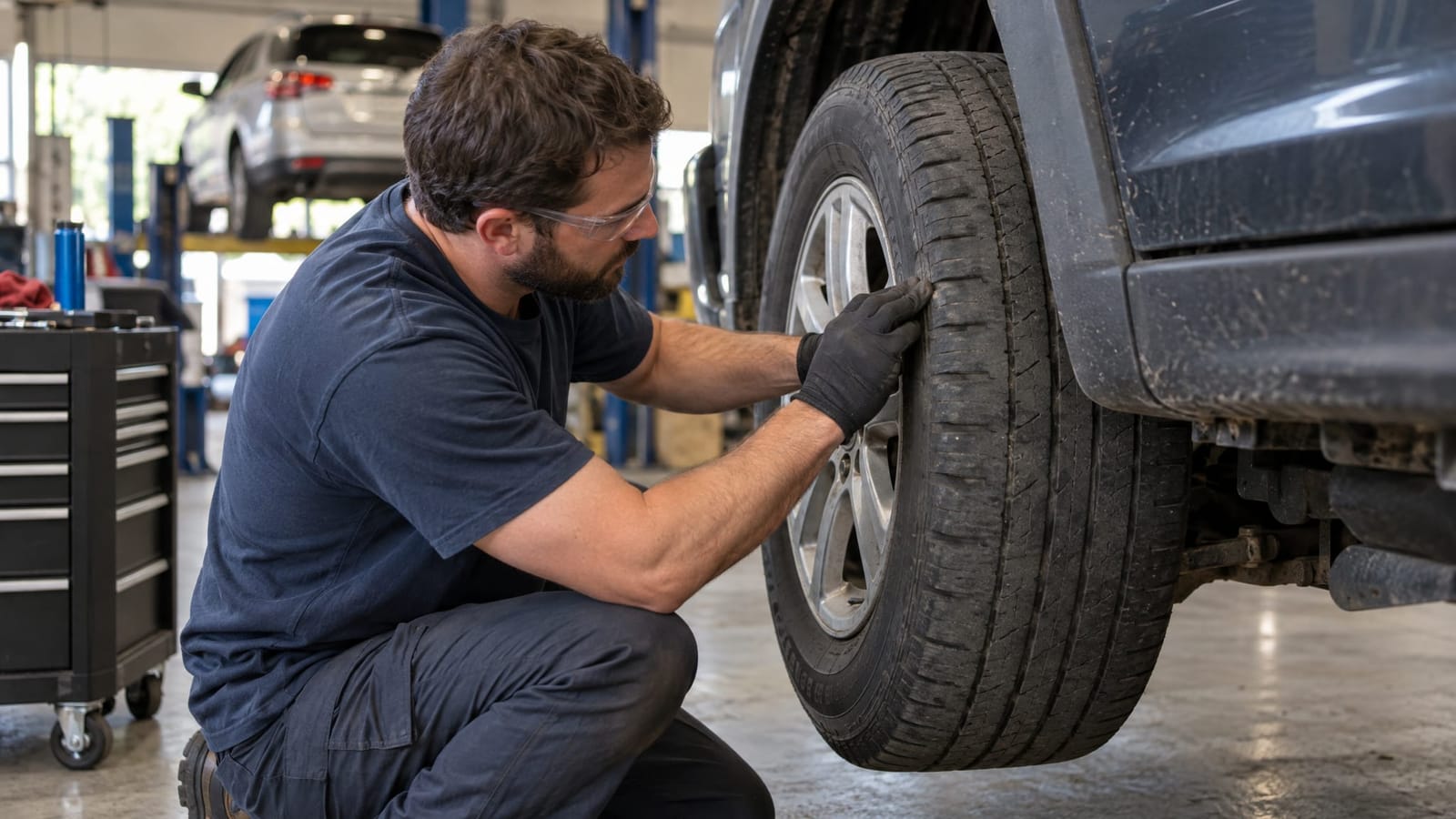
Visible cracks may appear on the sidewall or between tread blocks. Their significance depends on their depth, extent, location, and the tire’s overall condition. A few reported symptoms or a photograph cannot establish whether a tire is safe.
Changes worth noting include:
- Cracks that are spreading or becoming more pronounced.
- A sidewall bulge, exposed cords, or lifting tread.
- Repeated pressure loss.
- New vibration or a change in how the vehicle feels.
Pressure loss and vibration have several possible causes, so neither automatically proves that a tire has dry rot. A bulge, exposed cords, or separating tread calls for stopping use of the affected tire and arranging roadside assistance rather than driving to have it checked.
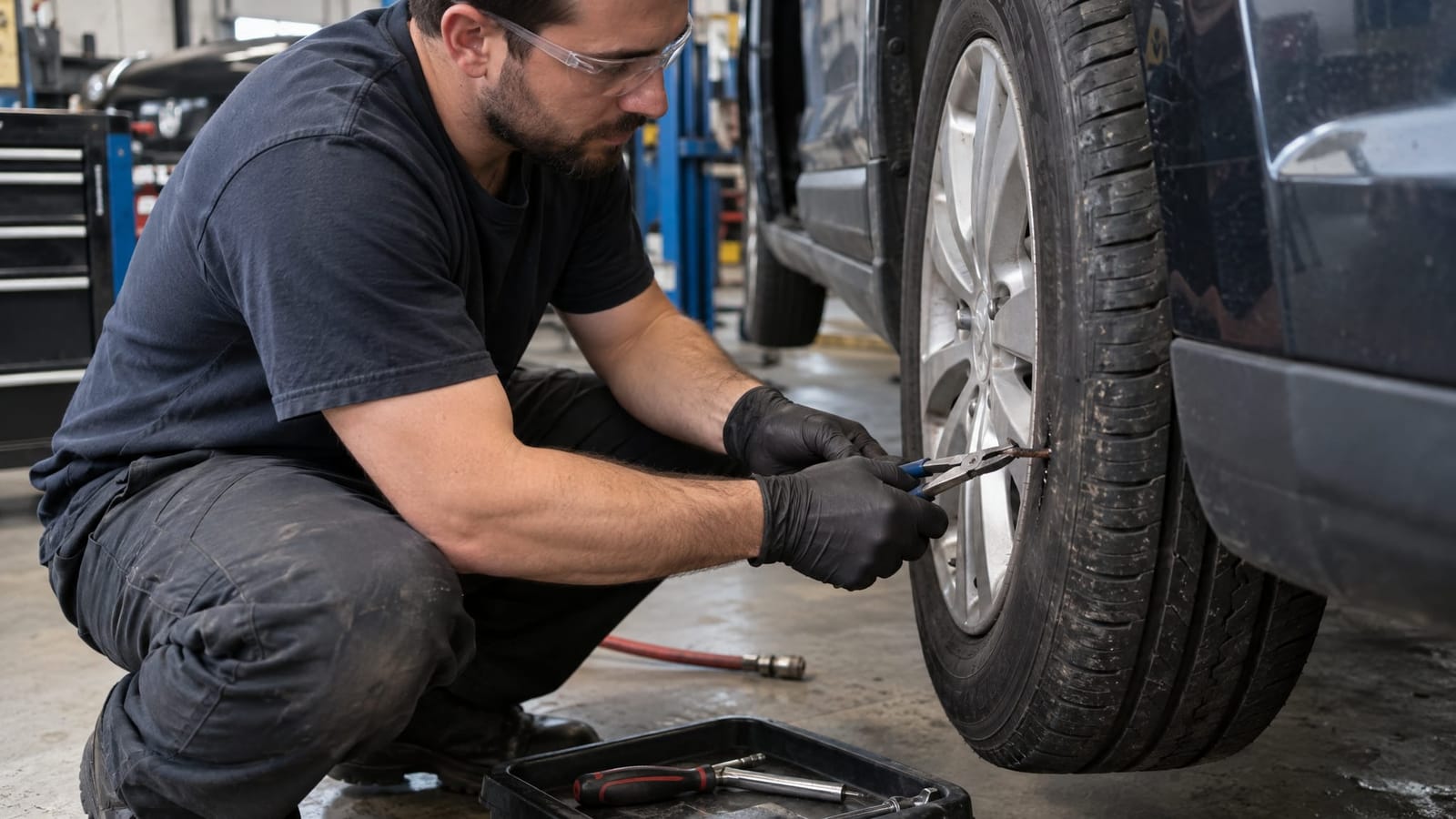
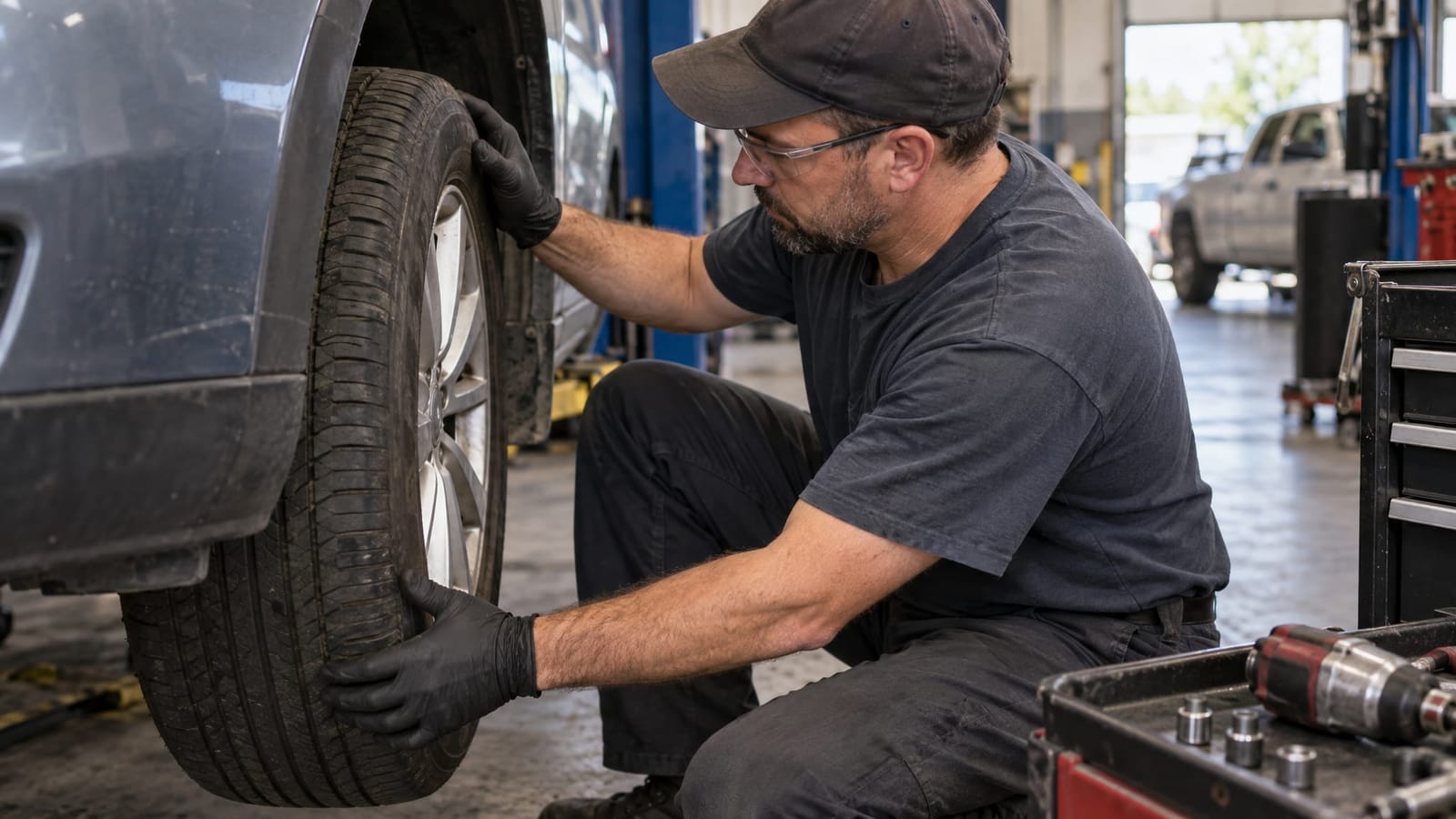
At Jordan Auto Repairs and Tires Plus LLC, our Jacksonville team provides tire inspections, repair, and replacement with a focus on prompt, dependable service. An inspection helps distinguish a potentially repairable puncture from deterioration that a puncture repair cannot correct.
Care That Helps Limit Heat-Related Stress
Maintenance cannot stop aging, but it can reduce avoidable tire stress.
- Check pressure monthly and before long trips. Use the vehicle’s recommended cold pressure on the driver’s door placard or in the owner’s manual, not the maximum pressure molded into the tire.
- Take readings before driving. Pressure normally rises as tires warm up. A warm reading is not directly comparable with the recommended cold setting.
- Use shaded or covered parking when practical. This reduces direct sunlight exposure, though it does not eliminate aging.
- Follow vehicle-specific rotation guidance. Rotation helps manage tread wear but cannot repair aged rubber.
- Include the spare in routine checks. Its age and pressure matter even when it has never touched the road.
Frequently Asked Questions
Can a spare tire age inside the trunk?
Yes. Sheltered storage reduces direct sunlight exposure, but aging continues. The spare’s DOT date, condition, and manufacturer guidance matter alongside those of the tires in regular use.
Does tire dressing prevent dry rot?
A glossy appearance is not evidence of healthy rubber. Tire dressing cannot restore deteriorated material or extend a manufacturer’s age limit. Cleaning and care products need to be compatible with the tire manufacturer’s instructions.
Is an unused tire automatically as good as a newly manufactured tire?
No. “Unused” describes service history, not manufacturing age. When comparing replacement tires, the DOT date adds useful information alongside storage history, condition, and the manufacturer’s guidance.
Keep Tire Age With Your Maintenance Records
Florida heat makes age worth tracking, but no single birthday determines every tire’s condition. Recording each tire’s DOT date, including the spare, gives you a useful reference for future inspections and replacement decisions.