How Often Should You Get a Brake Fluid Flush?
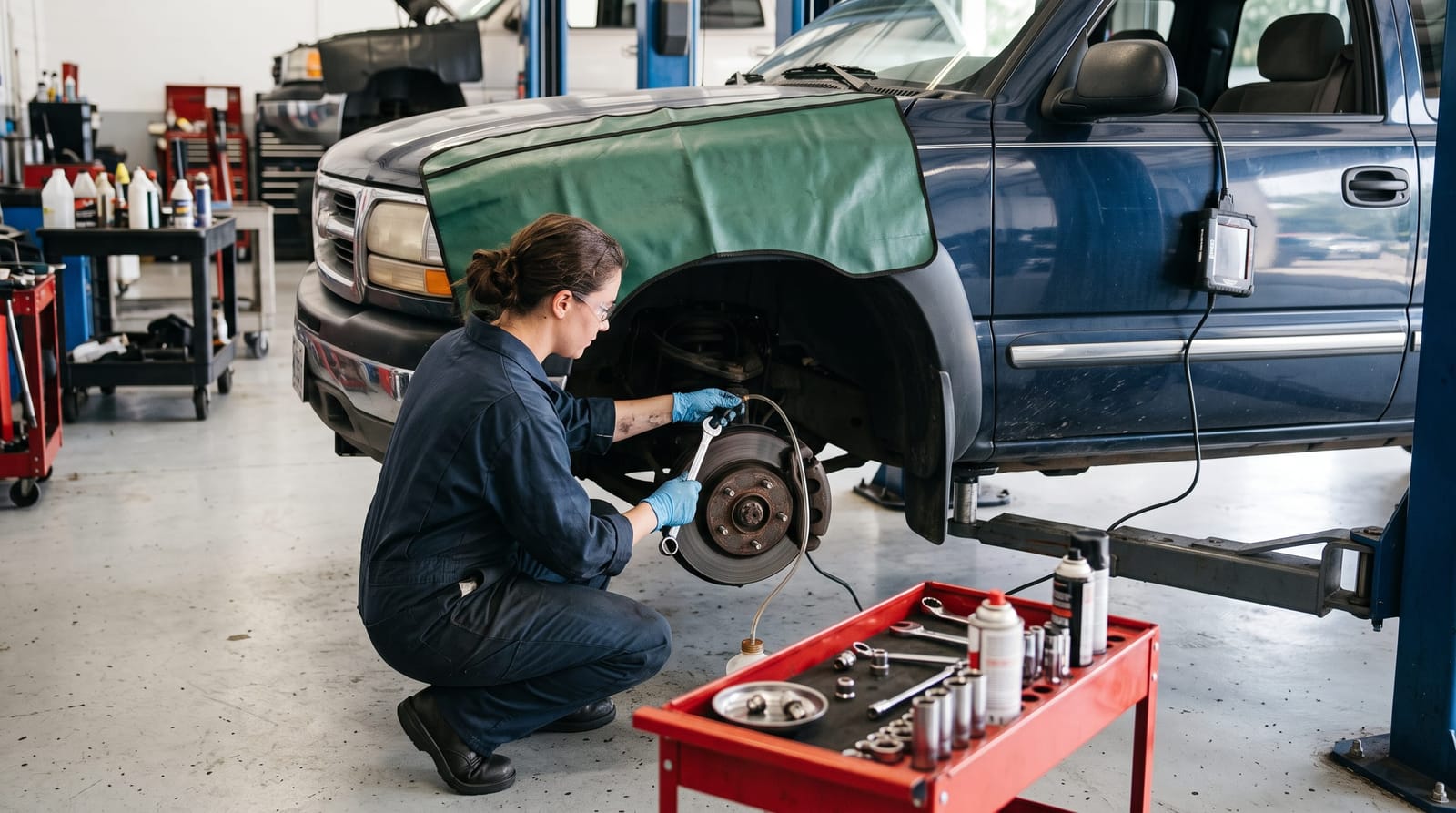
If you're keeping up with routine vehicle maintenance, brake fluid is one of those things that's easy to overlook: it doesn't need attention as often as an oil change, and it's not visible from the outside of your car. But it does need to be replaced on a regular schedule. This post breaks down how often a brake fluid flush is generally recommended, why the fluid degrades over time, and why Jacksonville's climate is worth factoring into your maintenance plan. Whether you're new to this topic or just looking for a clear answer, you're in the right place.
What Brake Fluid Actually Does (and Why It Wears Out)
Brake fluid is a hydraulic fluid: it transmits the force from your brake pedal through the brake lines to the calipers and wheel cylinders that actually slow your vehicle down. Without it, your braking system simply doesn't function.
The challenge with brake fluid is that it's hygroscopic, which means it naturally absorbs moisture from the surrounding air over time. This happens gradually through small amounts of air that enter the system through seals and reservoir caps: it's normal, not a sign of a faulty vehicle. But as the fluid absorbs water, its boiling point drops. Brake fluid needs to withstand significant heat generated during braking, especially during hard stops or extended downhill driving. When the boiling point is compromised, the fluid becomes less effective at handling that heat.
Beyond performance, water in the brake fluid can also contribute to internal corrosion in brake lines, calipers, and the master cylinder over time. A brake fluid flush removes the old, moisture-contaminated fluid and replaces it with fresh fluid that's working at full capacity.
General Intervals: How Often Is a Flush Recommended?
Most automotive professionals and vehicle manufacturers suggest a brake fluid flush somewhere in the range of every two to three years. Some manufacturers have more specific guidance based on vehicle design, so checking your owner's manual is always a good starting point: it's the most direct recommendation for your particular vehicle.
Some shops recommend pairing a brake fluid flush with brake pad or shoe replacement, since the brake system is already being accessed and inspected at that point. This can be a practical way to stay current without needing to track it separately.
Mileage-based intervals are less universal than time-based ones because fluid degradation is driven more by exposure to humidity and heat cycles than by miles driven. A vehicle that sits in a humid climate for two years may have more moisture-contaminated fluid than one driven frequently in a dry environment, even if the mileage is similar.
As a general rule: if it's been two years or more since your last brake fluid flush and you can't confirm it's been serviced, it's worth having the fluid inspected.
Why Florida's Humidity Makes This Especially Relevant
Jacksonville's climate is something to consider here. Florida's consistently high humidity, especially during the summer months, creates conditions where brake fluid can absorb moisture more readily than in drier regions. That doesn't mean your brakes are in poor condition just because you live here, but it does mean that sticking to the two-to-three-year interval (rather than pushing toward the longer end) is a reasonable approach for vehicles in this area.
Vehicles that spend a lot of time in stop-and-go traffic, like many Jacksonville commuters experience on I-95 or Beach Boulevard, also generate more braking heat cycles throughout the year. Frequent heat exposure combined with ambient humidity can accelerate the rate at which fluid loses its effectiveness. This is simply part of owning a vehicle in a warm, humid environment, and it's manageable with routine maintenance.
Signs Your Brake Fluid May Be Due for a Change
There are a few indicators that your brake fluid may be overdue for a flush, though the most reliable way to assess it is to have a technician inspect and test the fluid directly. That said, here are some things to be aware of:
- Dark or discolored fluid: Fresh brake fluid is typically clear to light yellow. Fluid that has turned dark brown or black has absorbed significant contamination and should be evaluated.
- A soft or spongy brake pedal: While this can have several causes, contaminated fluid is one factor that can contribute to changes in pedal feel.
- It's been more than two years: If you're not sure when the fluid was last flushed, that's reason enough to have it checked.
- Your vehicle is approaching a brake service: If you're having pads or rotors replaced, ask your technician to inspect the fluid condition at the same time.
None of these signs are cause for alarm on their own, but they're useful data points when you're thinking about your maintenance schedule.
What to Expect from a Brake Fluid Flush
A brake fluid flush is a straightforward service. A technician will drain the old fluid from the system, clean out any residue, and refill with fresh fluid that meets your vehicle manufacturer's specifications: typically DOT 3, DOT 4, or DOT 5.1, depending on what your vehicle requires. Using the correct fluid type matters, so this isn't a service you want to handle by guessing at the parts store.
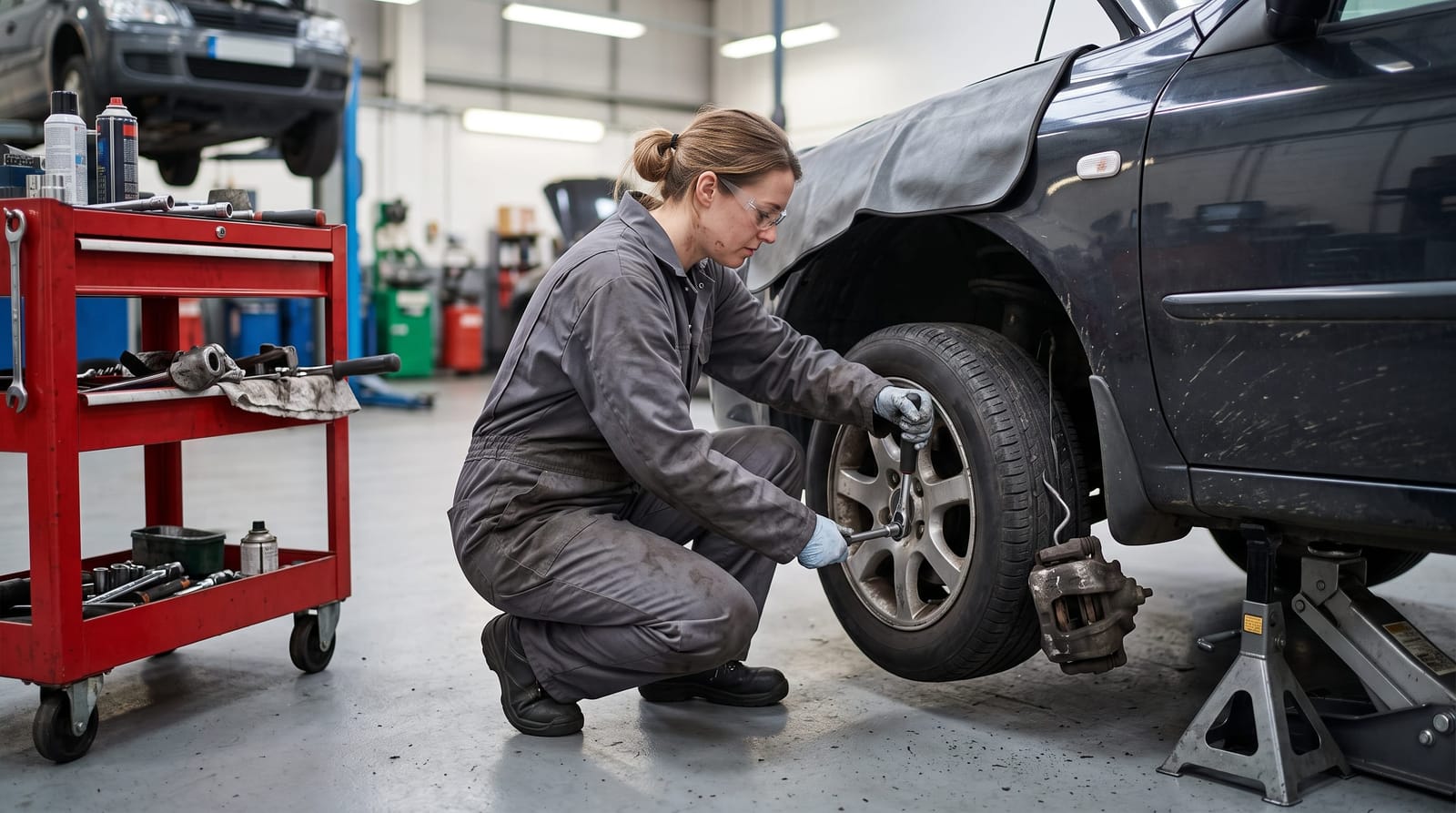
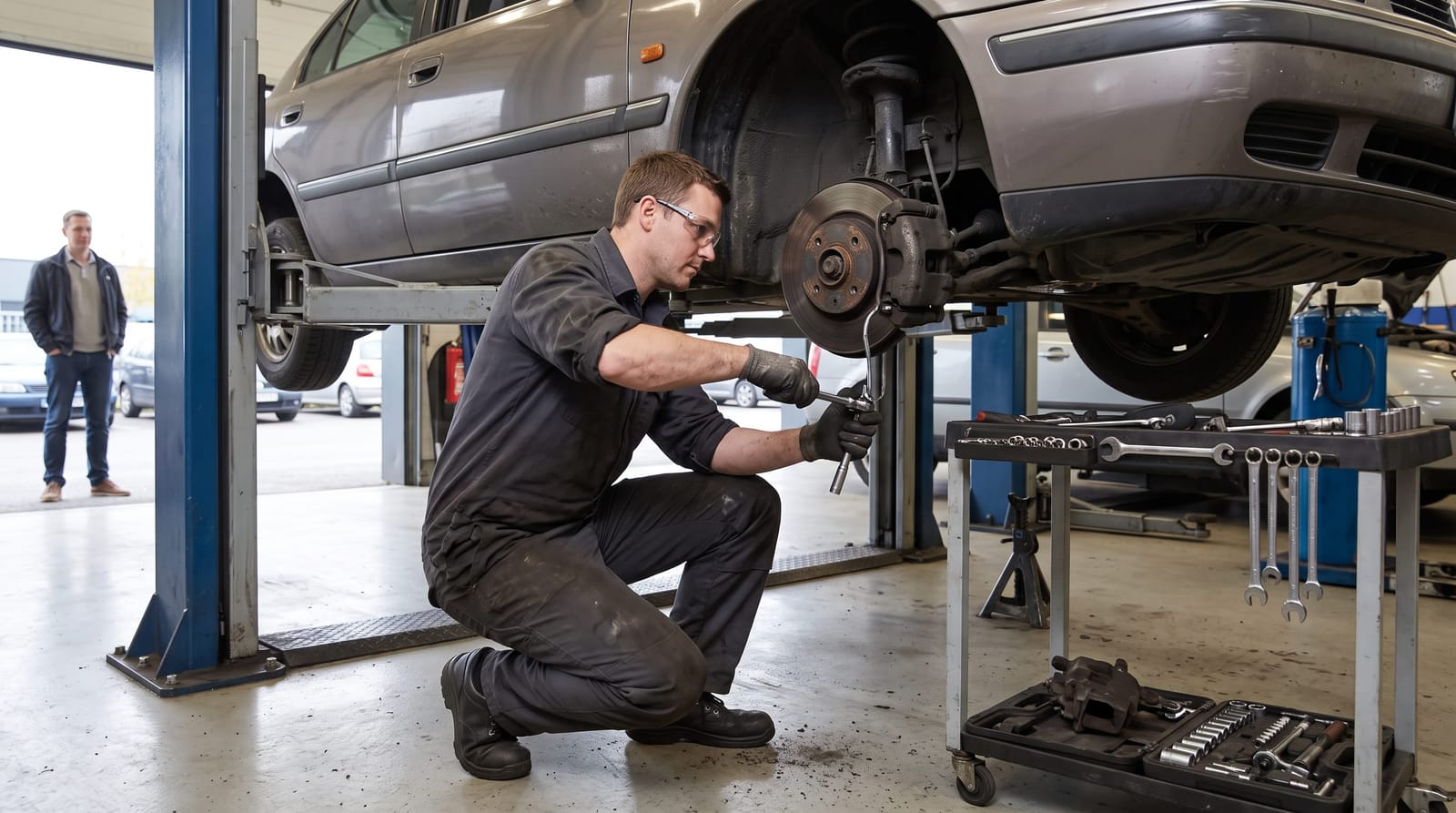
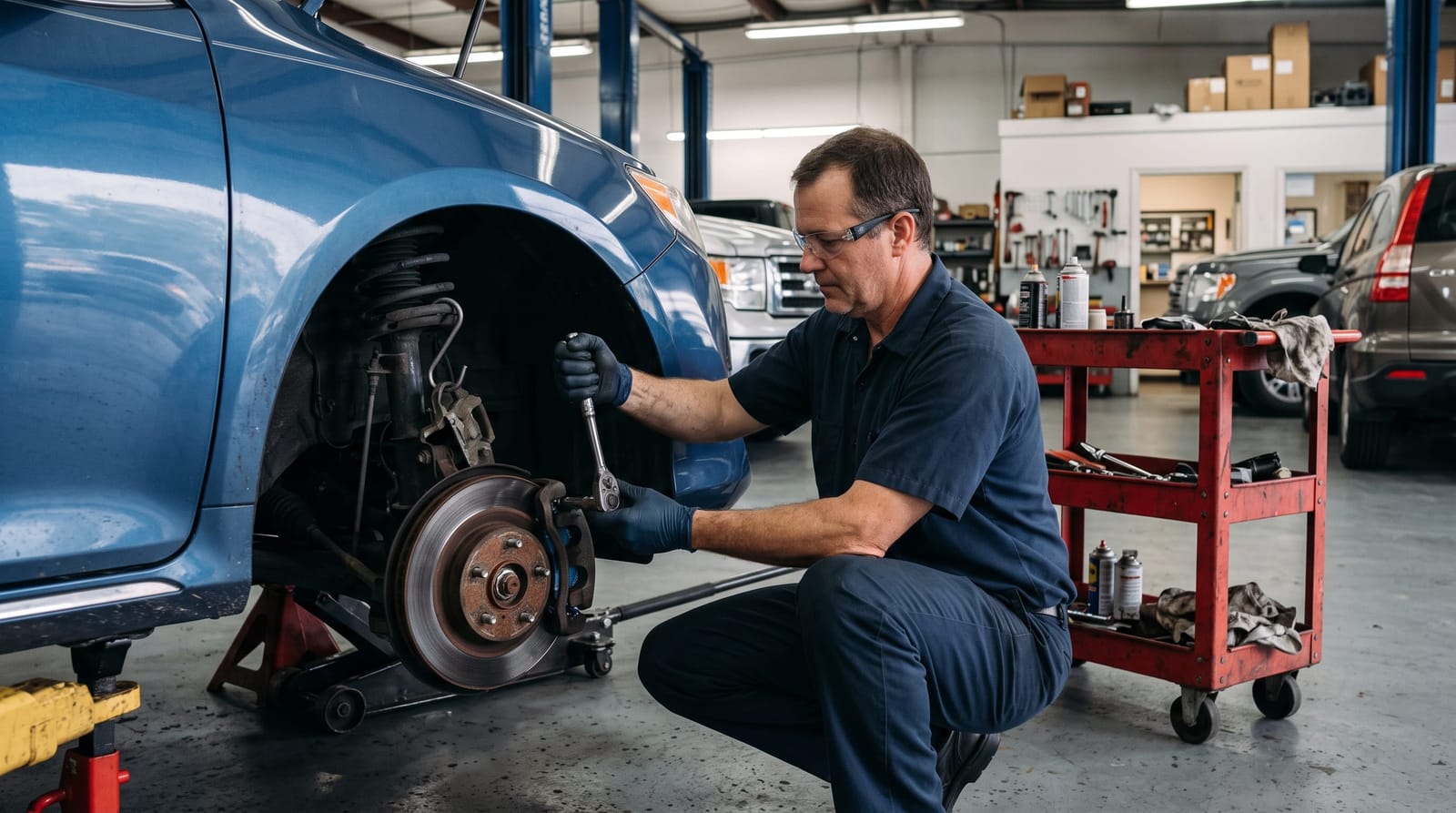
The process is generally completed in under an hour and is one of the more affordable maintenance items on your vehicle's service list. It's also a good opportunity for a technician to visually inspect brake lines, the master cylinder reservoir, and other components while the system is being serviced.
At Jordan Auto Repairs, we're happy to check your brake fluid condition as part of a broader brake inspection and help you determine whether a flush makes sense based on your vehicle's service history and current fluid quality. Schedule a brake inspection with us today and we'll give you a straight answer with no pressure.
Frequently Asked Questions
Can I check my brake fluid myself at home?
You can check the fluid level and basic color through the reservoir under the hood, but assessing moisture content requires a test strip or electronic tester. A quick visual check is helpful, but a professional inspection gives you a more accurate picture of the fluid's actual condition.
Is a brake fluid flush the same as bleeding the brakes?
They're related but not identical. Bleeding the brakes removes air bubbles from the lines and is often done to address a specific issue. A full flush replaces all of the old fluid in the system and is a broader maintenance service. Bleeding may be part of a flush, but flushing goes further.
Does every vehicle use the same type of brake fluid?
No. Most vehicles use DOT 3 or DOT 4 fluid, and some use DOT 5.1. These are not interchangeable without knowing what your vehicle requires. Your owner's manual or a qualified technician can tell you the correct specification for your vehicle.
What happens if I skip brake fluid flushes for a long time?
Over time, heavily contaminated fluid can contribute to corrosion in the braking system's internal components and reduced heat resistance in the fluid itself. Regular flushing helps maintain the system in good working order: it's one of those maintenance items that's easier to stay current on than to catch up after neglecting.
Keeping Your Brakes in Good Working Order
Brake fluid is a small but important part of your overall brake system maintenance. For most drivers, a flush every two to three years, with attention to your owner's manual and your local climate, is a sensible interval to work with. Jacksonville's humidity is a real factor, and staying on the closer end of that range is a reasonable approach for vehicles in this area. If you're not sure where your vehicle stands, a brake inspection is the easiest way to get a clear picture. Contact Jordan Auto Repairs and we'll take a look and walk you through what we find.