Why Are My Car Lights Flickering While Driving?
Car lights that flicker while driving often point to uneven electrical power. Common causes include a failing alternator, a slipping alternator belt, loose or corroded battery connections, and a poor ground connection. If only one light flickers, the problem is more likely near that light, such as its bulb, socket, or wiring.
The pattern matters more than the flicker alone. Noticing which lights change, when it happens, and whether other symptoms appear helps narrow the problem without replacing parts unnecessarily.
First, Notice Which Lights Are Flickering
A problem affecting several lights calls for a different diagnosis than one affecting a single headlight.
- Headlights and dashboard lighting pulse together: The charging system or a shared electrical connection is a likely place to begin checking.
- Only one headlight flickers: Its bulb, connector, socket, or local wiring deserves attention first.
- Flickering happens over bumps: Movement may be disturbing a loose connection or damaged wire.
- Lights change with engine speed or accessory use: The alternator, belt, and electrical connections need evaluation under those conditions.
These patterns are clues, not a diagnosis. For example, brighter headlights when accelerating do not automatically mean the alternator needs replacement.
Four Common Causes of Flickering Car Lights
1. An Alternator That Is Not Providing Steady Power
In a conventional gas-powered vehicle, the alternator supplies electrical power while the engine runs and replenishes the battery. Trouble inside the alternator or with its voltage control can make that supply uneven, causing lights to pulse or change brightness.
Other clues can include a charging-system warning light or electrical accessories behaving differently at idle. The battery-shaped dashboard light generally signals a charging-system problem, not proof that the battery itself is bad.
Testing the charging system helps separate an alternator problem from a wiring or connection problem that produces similar symptoms.
2. A Slipping Alternator Belt or Weak Belt Tensioner
On vehicles with a belt-driven alternator, the belt transfers power from the engine to the alternator. A loose, worn, or slipping belt can interfere with that operation. A tensioner that no longer keeps the belt properly tensioned can contribute as well.
Flickering accompanied by squealing, especially when electrical demand increases, makes the belt drive worth inspecting. Replacing the alternator alone would not address a slipping belt or faulty tensioner.
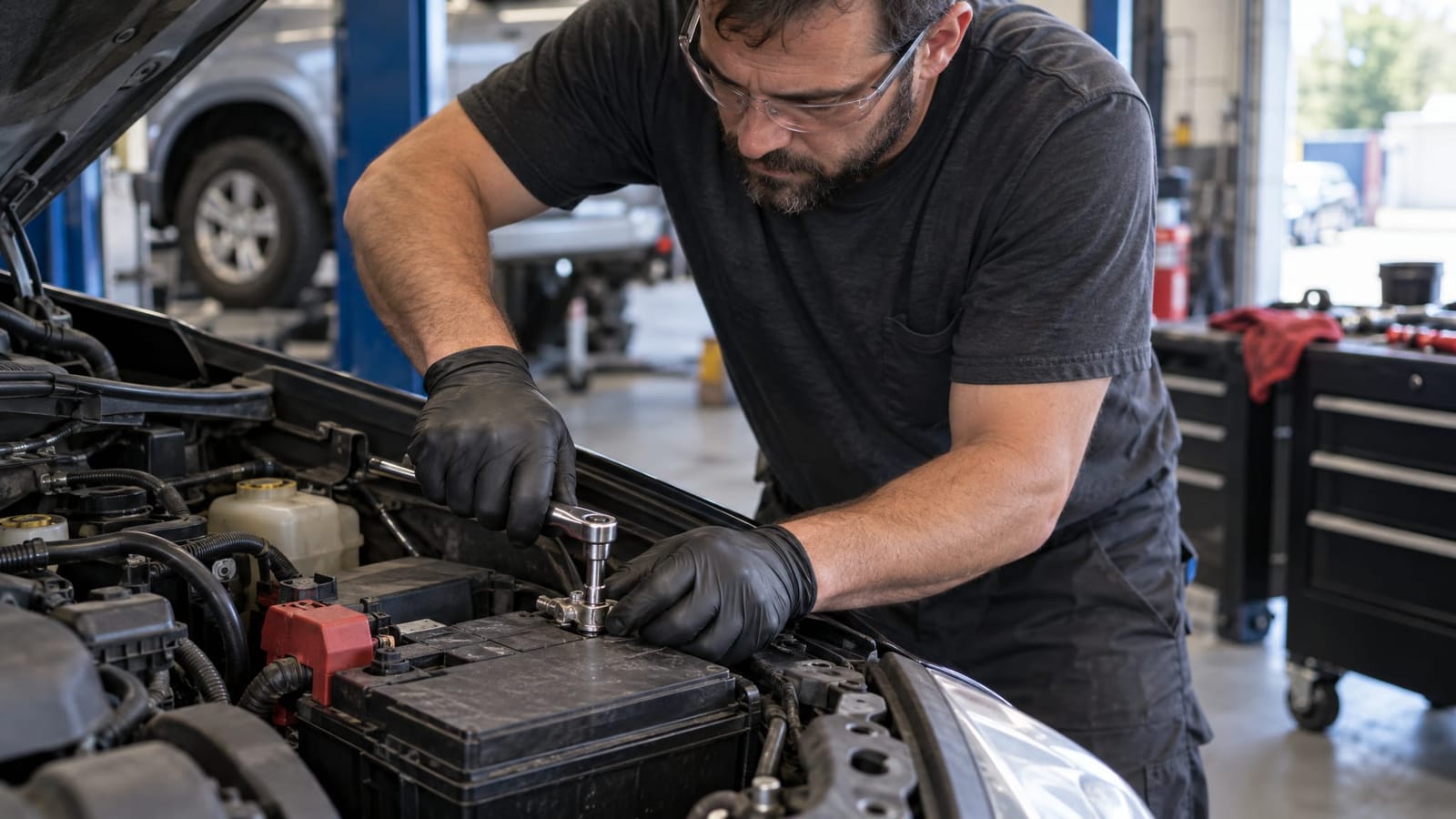
3. Loose or Corroded Battery Connections
Battery terminals and cable connections need firm contact to carry electricity reliably. Corrosion or looseness can interfere with that connection, especially as the vehicle vibrates.
A battery may still start the engine even when a connection needs attention. That is why a successful start does not rule out a battery-cable problem.
A weak battery can also contribute to electrical trouble, but flickering lights alone are not enough reason to replace it. Battery condition and connection condition are separate checks.
4. A Poor Ground Connection
Ground cables and straps provide the return path for electricity between the battery, engine, and vehicle body. A loose, corroded, or damaged ground can interrupt that path and affect several electrical components.
This can explain symptoms that seem unrelated, such as lights flickering while another accessory behaves erratically. A connection may also look acceptable from the outside yet perform poorly when carrying current. Electrical testing helps find resistance that a visual inspection can miss.
What If Only One Light Flickers?
When the rest of the vehicle’s lighting stays steady, a problem at the affected light becomes more likely. Possible causes include a failing bulb, a loose connector, corrosion inside the socket, or damaged wiring.
The distinction helps avoid unnecessary work. One headlight flickering after a bulb change calls for checking that installation and circuit before assuming the entire charging system is failing. Several lights pulsing together call for a broader electrical check.
Why Recurring Flickering Deserves Attention
Repeated flickering is worth diagnosing because some causes can progress beyond a lighting problem. A charging failure can eventually drain the battery enough for the engine to stall. A faulty connection can also become more intermittent, making the original problem harder to reproduce.
That does not mean every flicker signals an approaching breakdown. The accompanying symptoms matter.
If flickering reduces nighttime visibility or comes with engine hesitation or loss of electrical functions, stopping in a safe location and arranging roadside assistance is safer than continuing. Our team can evaluate the vehicle’s electrical condition and explain the repair needed.
What a Useful Electrical Diagnosis Includes
A thorough check looks beyond whether the battery can start the car. Depending on the symptoms, it can include:
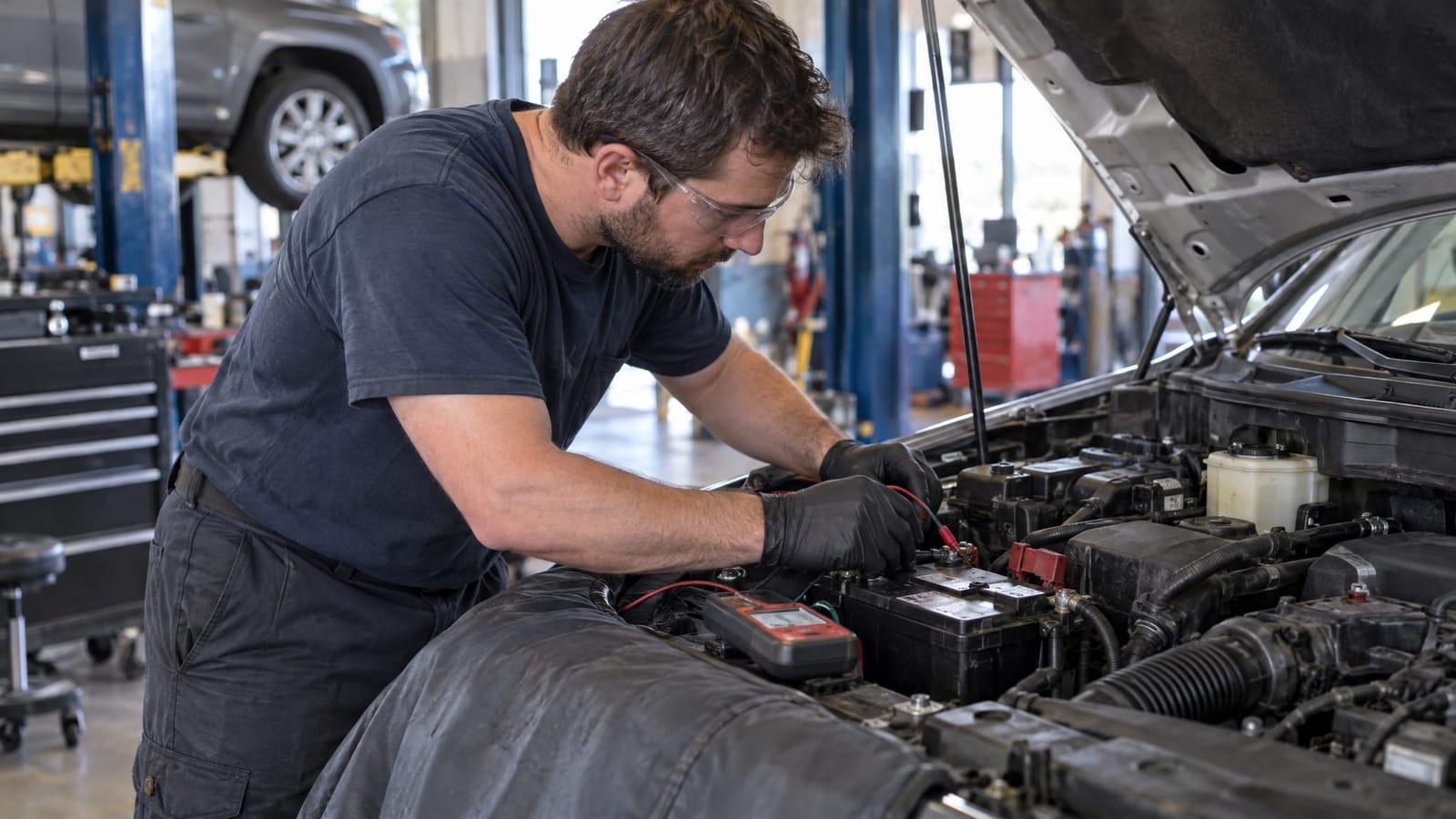
- Battery testing: Checking its condition and ability to supply power.
- Connection inspection: Looking at battery terminals, cables, and engine and body grounds.
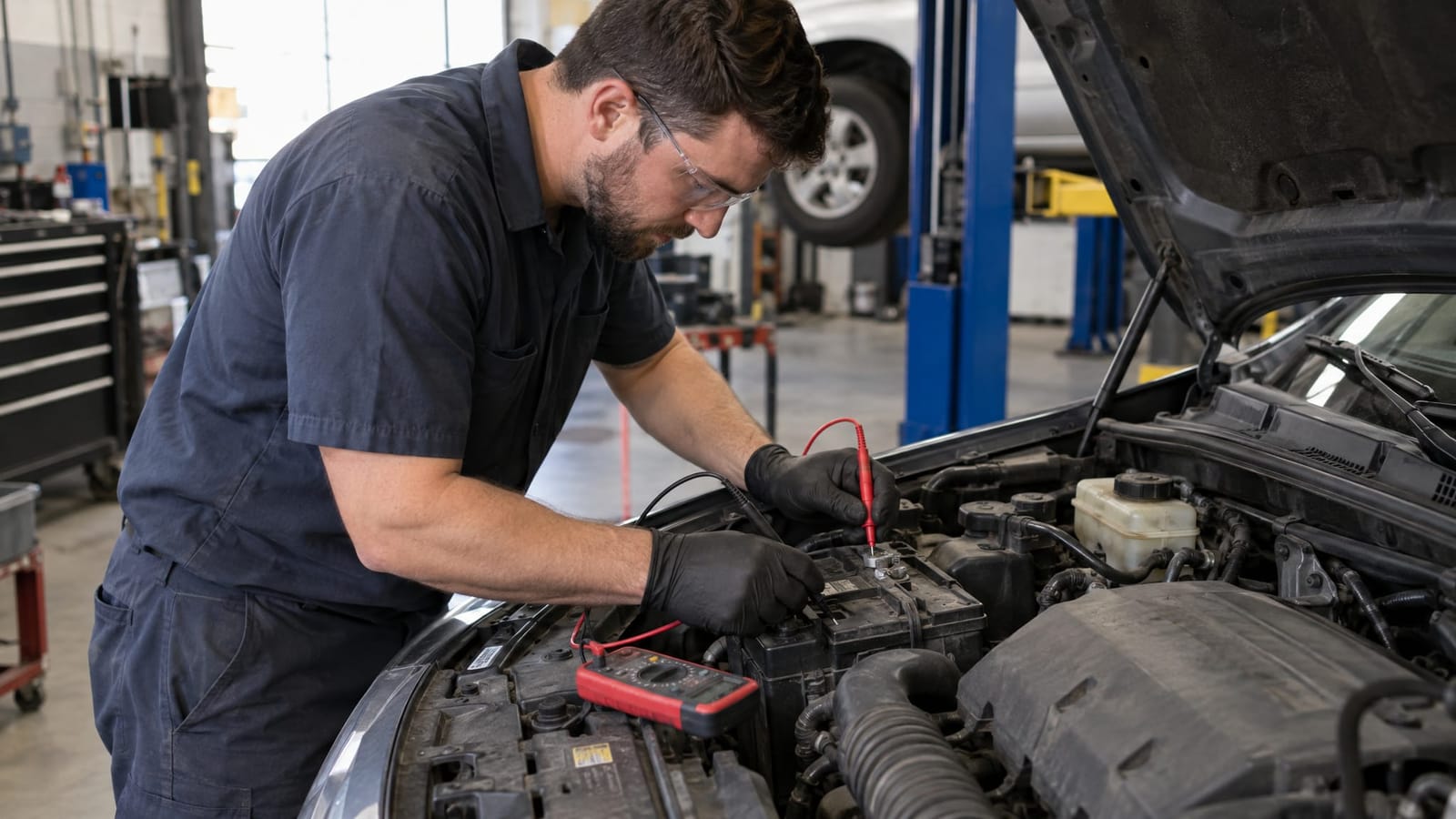
- Charging-system testing: Checking alternator operation with the engine running and electrical accessories switched on.
- Belt and tensioner inspection: Checking the components that drive the alternator.
- Circuit testing: Measuring where power is being lost through wiring or connections while the affected lights operate.
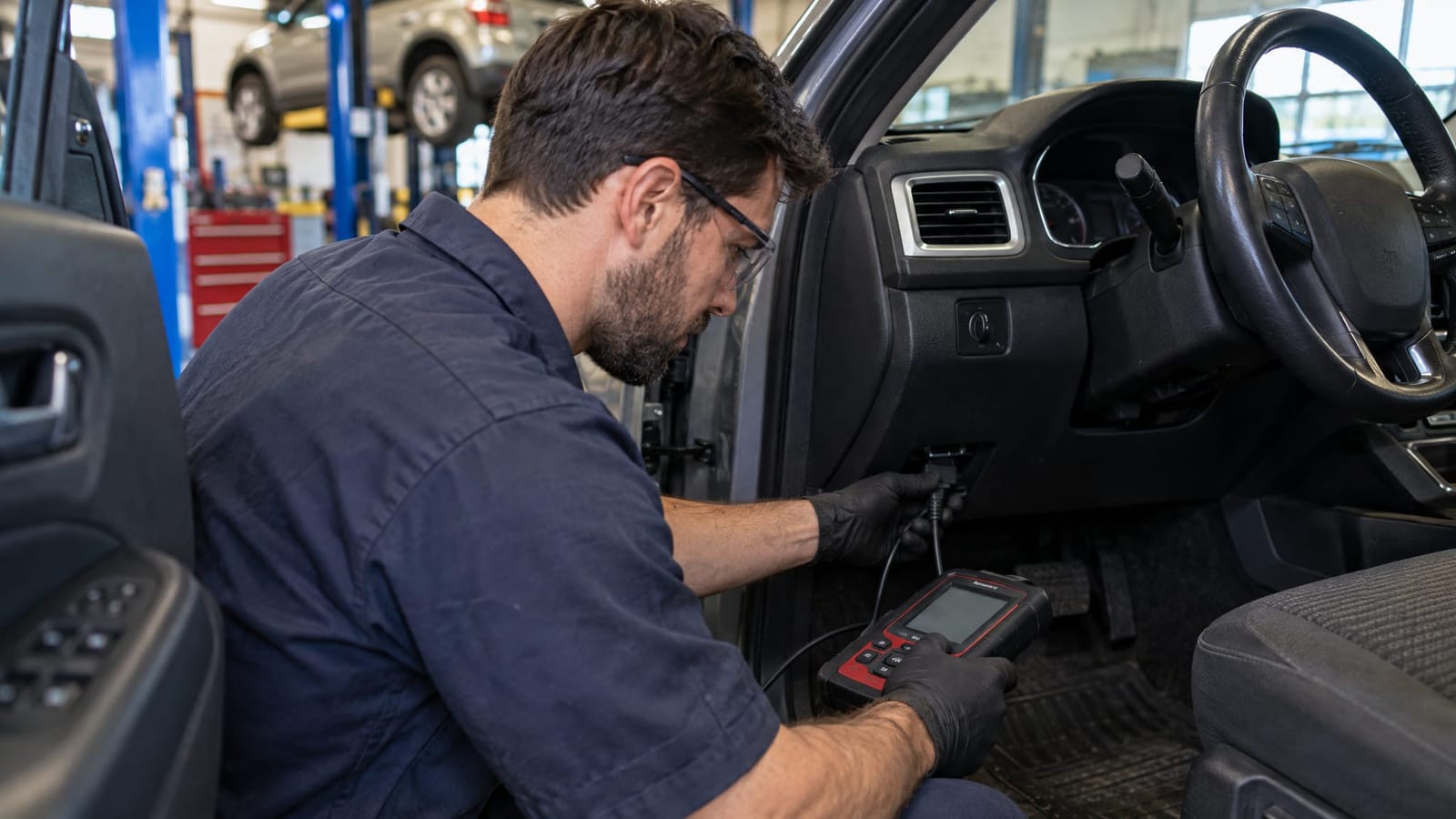
At Jordan Auto Repairs and Tires Plus LLC in Jacksonville, we offer battery diagnostics and vehicle electrical system diagnostics. Our local team focuses on quick, dependable service and clear explanations of what the diagnosis shows.
For an intermittent flicker, useful details include whether the engine was cold or warm, which accessories were running, and whether the symptom started after battery, lighting, or other repair work. Those details help direct testing toward the conditions that bring on the problem.
Frequently Asked Questions
Why do my lights flicker after installing a new battery?
A new battery does not correct a loose cable, poor ground, or charging-system fault. If flickering started immediately after replacement, the terminal connections and any wiring disturbed during installation are practical places to begin checking.
Can LED replacement bulbs cause flickering?
Yes. Some replacement LED bulbs do not work properly with the vehicle’s existing lighting controls. If flickering began after switching bulb types, checking compatibility and installation helps distinguish a lighting issue from a charging-system problem.
Is a brief dip in brightness the same as repeated flickering?
No. A brief brightness change when a high-demand accessory starts can reflect a temporary change in electrical load. Repeated pulsing, pronounced dimming, or a new pattern deserves closer evaluation, especially when other electrical symptoms appear.
Find the Cause Before Replacing Parts
Flickering lights do not automatically mean a bad battery or alternator. Identifying the pattern and testing the affected system helps separate a connection problem, charging fault, and individual lighting issue so the repair addresses the actual cause.